
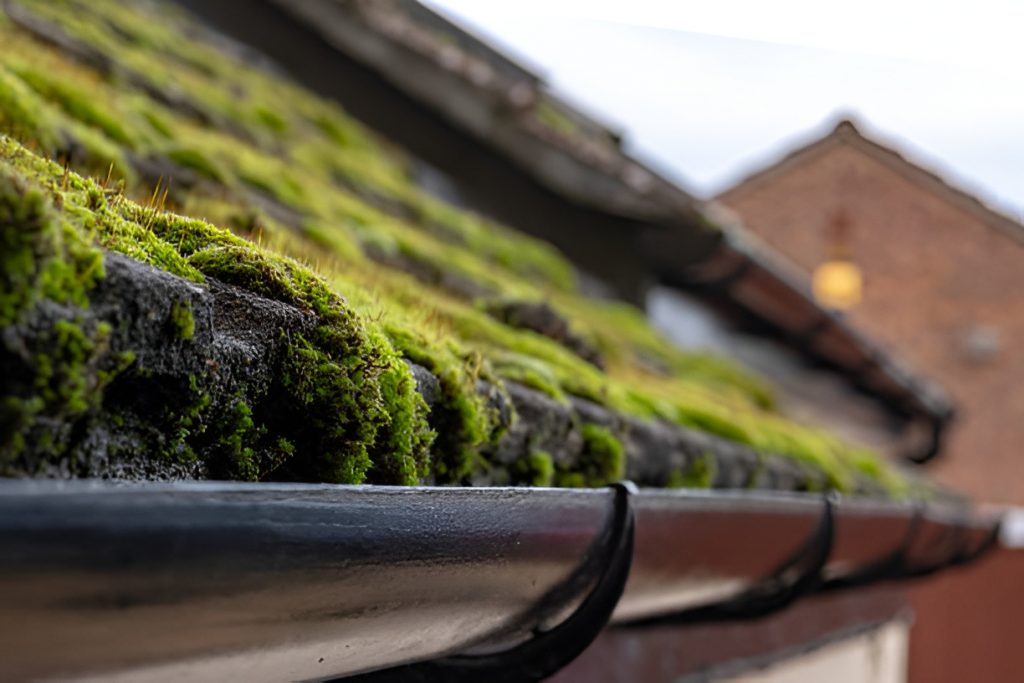

- Moss thrives in damp, shady areas and can trap moisture, weaken shingles, and lead to leaks.
- Safety is essential when cleaning moss—use sturdy ladders, non-slip shoes, protective gear, and avoid wet or icy roofs.
- Use soft-bristled brushes, gentle water sprays, and roof-safe moss removers; avoid pressure washers and harsh chemicals like chlorine bleach.
- Preparation matters: clear debris, protect gutters and plants, check shingles, and choose dry, mild weather for cleaning.
- Prevent moss regrowth by trimming trees, cleaning gutters, installing zinc or copper strips, and performing regular roof maintenance.
- Know when to call a professional: steep roofs, extensive moss coverage, damaged shingles, or difficult access.
- Eco-friendly methods like oxygen bleach, gentle rinsing, and natural brushes protect your home and surrounding landscape.
If you’ve noticed green patches creeping across your roof, you’re not alone. Moss can be a common nuisance, especially in humid or shady areas. While it might seem harmless at first glance, moss can trap moisture, weaken shingles, and even cause leaks over time. The good news? With the right approach, you can clean moss off a roof safely without damaging shingles.
In this article, we’ll cover everything you need to know—from understanding why moss grows, to the tools and techniques for safe cleaning, to long-term prevention strategies.
Why Does Moss Grow on Roofs?
Moss loves damp, shaded environments. If your roof is shaded by trees or located in a humid climate, you might notice moss growth more quickly. Here’s why moss tends to stick around:
- Moisture Retention: Moss absorbs water like a sponge, keeping your roof wet longer than usual.
- Shade: Areas with little sunlight provide the perfect environment for moss to thrive.
- Debris Buildup: Leaves, twigs, and dirt trap water, giving moss a foothold.
- Aging Shingles: Older shingles tend to hold more moisture, making them more susceptible to moss growth.
Understanding the root cause helps you prevent moss from returning after cleaning.
Can You Clean Moss Off a Roof Yourself?

Yes, but safety is key. Cleaning moss from a roof involves working at heights, using chemicals or scrubbing tools, and navigating potentially slippery surfaces. If you’re not comfortable on a ladder or steep roof, hiring a professional is the safer choice.
However, if you do decide to tackle the project yourself, follow these safety guidelines:
- Always use a sturdy ladder on level ground.
- Wear non-slip shoes and protective gloves.
- Avoid standing directly on shingles if possible—use a roof harness or rope.
- Never work on a wet or icy roof.
Safety first—then the cleaning can follow.
What Tools Do You Need to Clean Moss Safely?
To remove moss effectively without damaging shingles, you’ll need a few essential tools. Here’s a list of what works best:
- Soft-bristled brush or broom: Hard brushes can tear shingles, so stick to gentle bristles.
- Garden hose with spray nozzle: Avoid high-pressure washers; they can lift shingles.
- Roof-safe moss cleaner or homemade solution: Many commercial cleaners are safe for asphalt shingles. A DIY mix of water and oxygen bleach works well.
- Protective gear: Gloves, goggles, and non-slip shoes are crucial.
- Plastic sheeting or tarps: To protect plants and gutters from runoff.
Having the right tools prevents damage and makes the process much easier.
How to Prepare Your Roof Before Cleaning
Preparation is essential for safe and effective moss removal. Here’s how to prep your roof:
- Clear the Area Below: Remove patio furniture, garden items, and fragile plants.
- Protect Your Gutters and Plants: Lay plastic sheeting along gutters and under roof edges to catch runoff.
- Check the Roof for Damage: Identify any missing or loose shingles before starting. Repairing them first prevents further damage.
- Choose the Right Weather: Pick a dry, mild day with low wind. Moss removal is safer when shingles are dry.
Preparation reduces risks and ensures a smoother cleaning process.
Step-by-Step Guide: How to Clean Moss Off a Roof
Here’s a step-by-step method to remove moss safely without damaging your shingles.
Step 1: Apply a Moss Killer Solution
- Use a commercial moss remover or a homemade solution of oxygen bleach and water.
- Apply the solution generously to mossy areas with a pump sprayer.
- Let it sit for 15–20 minutes (or follow the product instructions).
- Avoid using chlorine bleach—it can damage shingles and kill surrounding plants.
Step 2: Scrub Moss Gently
- Use a soft-bristled brush or broom.
- Work from the top down to prevent lifting shingles.
- Scrub gently; aggressive scrubbing can tear shingles and shorten their lifespan.
- Focus on moss clusters rather than the entire roof to reduce damage.
Step 3: Rinse Carefully
- Use a garden hose with moderate water pressure.
- Avoid pressure washers; they can force water under shingles, causing leaks.
- Rinse in small sections to ensure all moss and cleaner residue is washed off.
Step 4: Check Your Roof After Cleaning
- Inspect shingles for any damage.
- Look for areas that may need minor repairs.
- Clean out gutters to remove moss debris.
Can You Use a Pressure Washer on Your Roof?
It’s tempting, but pressure washers are risky for asphalt shingles. The high pressure can:
- Lift shingles and loosen adhesive.
- Remove granules that protect shingles from UV damage.
- Create gaps for water to seep under shingles.
Stick to gentle scrubbing and a garden hose for a safer approach.
How to Remove Moss Without Climbing on the Roof
If heights aren’t your thing, there are alternatives:
- Roof Rake with Soft Head: Allows you to remove moss from the ground.
- Chemical Moss Removers: Spray solutions can work over time without scrubbing.
- Hire a Professional: They have safety gear and experience to remove moss efficiently.
These options reduce the risk of falls while still keeping your roof moss-free.
How to Prevent Moss from Growing Back

Cleaning moss is only part of the solution. Preventing regrowth saves time and protects your roof.
1. Trim Overhanging Branches
- Sunlight reduces moss growth.
- Trim trees to allow more light to reach the roof.
2. Clean Gutters Regularly
- Leaves and debris trap moisture.
- Clear gutters to prevent moss-friendly damp areas.
3. Install Zinc or Copper Strips
- Metals naturally inhibit moss growth.
- Place strips near the roof ridge. Rainwater will carry trace metals down, preventing moss formation.
4. Regular Roof Maintenance
- Inspect shingles for damage.
- Remove debris promptly.
- Check for moss early before it spreads.
Prevention keeps your roof healthier and extends its life.
Common Mistakes to Avoid When Cleaning Moss
Even with the best intentions, mistakes happen. Here’s what to avoid:
- Scrubbing too hard: Can damage shingles.
- Using bleach: Kills moss but can corrode shingles and harm plants.
- Ignoring safety: Falls from roofs are dangerous. Always use proper gear.
- Waiting too long: Letting moss grow unchecked makes it harder to remove.
Avoiding these pitfalls ensures a safe, effective cleaning process.
How Long Does Moss Removal Last?
The duration depends on your environment and preventive measures:
- Humid, shady areas: Moss can return in 1–2 years.
- Sunny, dry areas: Moss may take several years to reappear.
- Preventive care: Using zinc/copper strips and keeping the roof debris-free can significantly extend moss-free periods.
Consistent maintenance is key to long-term results.
Are There Eco-Friendly Ways to Clean Moss?
Yes! If you’re concerned about the environment:
- Use oxygen bleach instead of chlorine bleach.
- Avoid harsh chemical moss killers.
- Rinse gently to prevent runoff from harming plants.
- Use natural brushes rather than synthetic scrapers that can release microplastics.
Eco-friendly methods can protect your home and surrounding landscape.
How to Know When to Call a Professional
Some situations are better left to pros:
- Steep or slippery roofs.
- Extensive moss covering.
- Roofs with significant damage.
- Homes with difficult access or fragile landscaping.
Professional roof cleaners have safety gear and expertise to handle tricky jobs efficiently.
How to Clean Moss Off Different Roof Types
While this guide focuses on asphalt shingles, moss grows on other roof types too:
Tile Roofs
- Use soft brushes or water sprays.
- Avoid high-pressure washers—they can crack tiles.
Metal Roofs
- Moss is less common, but when present, use gentle scrubbing or a chemical solution safe for metal.
Wooden Shingles
- Wooden shingles are delicate; use low-concentration solutions and minimal scrubbing.
Each roof type requires a slightly different approach to protect materials.
How Often Should You Inspect Your Roof for Moss?
Regular inspections help catch moss early:
- Twice a year: Spring and fall are ideal.
- After storms: Check for debris accumulation.
- Shaded areas: Inspect more frequently, as moss thrives in low-light areas.
Frequent checks reduce the need for large-scale cleaning projects.
What Are the Costs of Moss Removal?
Costs vary depending on method and roof size:
- DIY cleaning: Minimal cost—mostly cleaning solutions and tools.
- Professional cleaning: Can range from $300–$800 depending on roof size and difficulty.
- Preventive measures: Zinc/copper strips cost around $50–$100, plus installation.
DIY can save money, but professional help might be safer for tricky roofs.
How to Combine Moss Removal with Other Roof Maintenance
Moss removal is a great opportunity to inspect and maintain your roof:
- Clean gutters thoroughly.
- Inspect shingles for wear or damage.
- Remove debris that can trap water.
- Consider applying a roof-safe protective coating.
Combining regular outside maintenance tasks maximizes your roof’s lifespan.
Can Moss Damage Your Roof Permanently?
Yes, if left untreated:
- Moss traps moisture that weakens shingles.
- Roots can lift shingles, allowing water penetration.
- Over time, leaks and rot may occur.
Prompt and careful cleaning prevents long-term damage.
How Long Does a Roof Stay Moss-Free After Cleaning?
With proper prevention:
- 1–3 years in shaded, humid climates.
- 3–5 years in sunny, dry climates.
- Preventive measures like zinc strips and regular debris removal extend moss-free periods.
Regular monitoring ensures your roof stays in top shape.
Final Thoughts
Cleaning moss off a roof doesn’t have to be a headache. By understanding why moss grows, using the right tools, and following safe cleaning practices, you can restore your roof’s appearance and protect your shingles. Remember: gentle scrubbing, eco-friendly solutions, and preventive care are the keys to success.
With regular inspections and simple preventive measures, your roof can remain moss-free for years to come. Whether you tackle it yourself or hire a professional, addressing moss promptly protects your home and keeps your shingles looking their best.