
A roof replacement is a major investment for any homeowner, but it’s one that significantly enhances your home’s protection, energy efficiency, and resale value. While it can seem overwhelming at first, understanding the step-by-step process helps ease concerns and allows you to plan effectively.
Whether your current roof has aged beyond its lifespan or has sustained storm damage, a professional roof replacement ensures your home remains safe and structurally sound.
Initial Inspection and Estimate
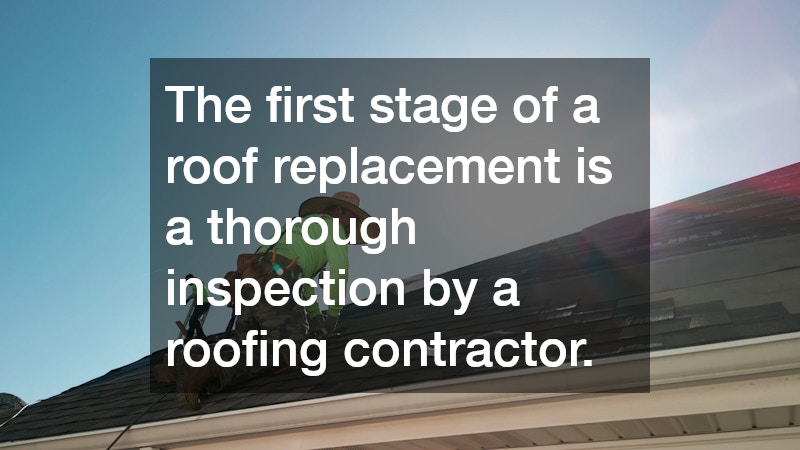
The first stage of a roof replacement is a thorough inspection by a roofing contractor. They will assess the age and condition of the existing roof, check for signs of leaks or rot, and inspect flashing, gutters, and the structural integrity of the decking beneath. Based on their findings, they’ll provide a detailed estimate outlining materials, labor, and timelines. This is also your opportunity to ask questions about roofing material options and understand what the job will entail from start to finish.
Choosing the Right Roofing Material
A roof replacement allows you to select a material that better suits your climate, style, and budget. Common materials include asphalt shingles, metal panels, clay tiles, and composite options. Asphalt shingles remain the most popular choice due to affordability and versatility, while metal roofs offer durability and energy efficiency. Choosing the right roofing material will affect both the cost and lifespan of your new roof. Your roofing contractor can help you compare pros and cons based on your location and goals.
Preparing the Property
Before the actual replacement begins, your contractor will take steps to prepare the property. This typically includes covering landscaping and nearby structures with tarps, moving outdoor furniture or fragile items, and setting up debris collection areas. Safety measures will also be put in place to protect both workers and your family. During this stage, it’s important to communicate with your contractor about access points and any specific concerns you may have about pets, noise, or scheduling.
Removing the Old Roof
The next phase of the roof replacement is tearing off the old materials. This step can be noisy and messy, but it’s critical to expose any hidden damage beneath the surface. Once the old shingles or tiles are removed, the team will inspect the decking for rot, water damage, or structural issues. Damaged areas will be repaired or replaced to ensure the new roof has a strong, stable foundation. Skipping this step in favor of layering new material over old can shorten the roof’s lifespan and lead to future problems.
Installing the New Roofing System
With the decking prepared, the crew will begin installing underlayment and other protective layers designed to guard against moisture and leaks. Flashing is added around chimneys, vents, and valleys to reinforce waterproofing. Finally, the new shingles, tiles, or metal panels are installed with precision to ensure a secure and attractive finish. Depending on the size of your home and the weather conditions, the roof replacement process can take anywhere from one to five days to complete.
Cleanup and Final Inspection
Once the installation is complete, your contractor will perform a detailed cleanup of the property. This includes removing old materials, sweeping the yard for nails using magnetic rollers, and inspecting gutters and downspouts for debris. After cleanup, a final walkthrough and inspection will ensure the roof was installed properly and meets all code requirements. Your contractor should also provide warranty details and maintenance tips to help you get the most out of your investment.
The Long-Term Benefits of Roof Replacement
Though a roof replacement is a major expense, the long-term benefits are substantial. A new roof improves energy efficiency by reducing heat transfer and improving insulation. It also increases property value and boosts curb appeal, making your home more attractive to buyers should you choose to sell. Perhaps most importantly, a new roof provides peace of mind, knowing your home is protected from leaks, mold, and structural issues for decades to come.
Understanding Costs and Financing Options
The cost of a roof replacement can vary significantly depending on materials, labor, and local rates. On average, homeowners can expect to spend several thousand dollars, but exact pricing will depend on your home’s size and complexity. Many contractors offer financing options or payment plans to make the investment more manageable. Be sure to get multiple estimates and confirm that your contractor is licensed, insured, and well-reviewed before signing any contracts.
Replacing your roof is one of the most important steps you can take to protect your home. With proper planning, a trusted contractor, and quality materials, the roof replacement process can be a smooth and rewarding experience that pays off for years to come.