
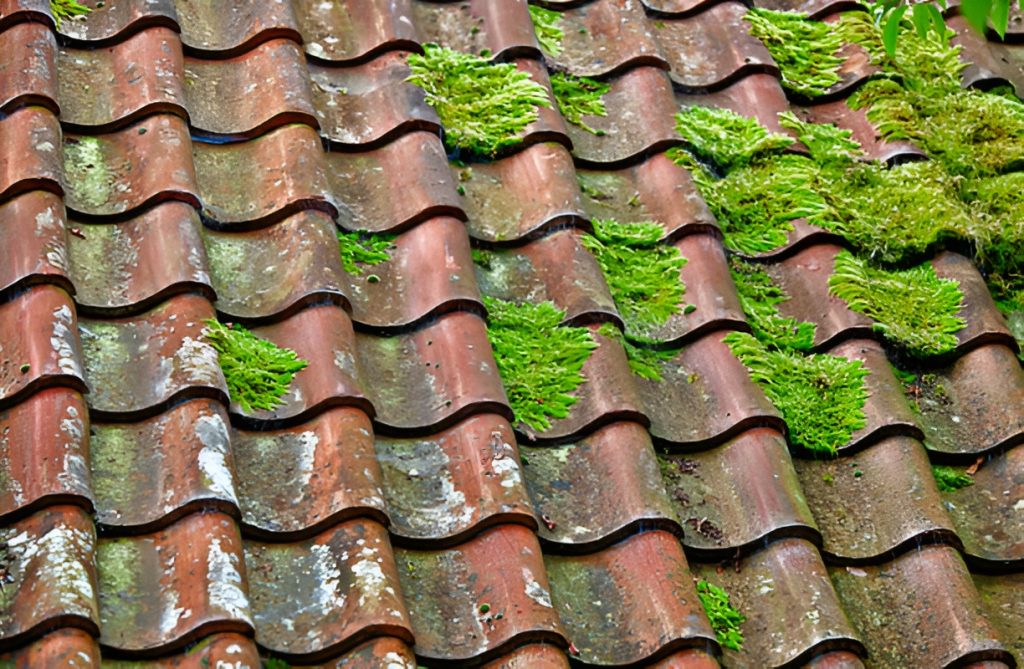

- Moss thrives in damp, shaded areas and attaches to surfaces, trapping moisture that can damage shingles over time.
- Common causes include moisture, poor ventilation, shaded roofs, aging materials, and nearby vegetation.
- Moss can be dangerous for roofs, causing shingle deterioration, lifting tiles, structural rot, and ice dam formation.
- Certain roofs are more vulnerable, including wood shingles, older asphalt shingles, and roofs in wet or shaded climates.
- Early warning signs include green patches, discoloration, shingle damage, excessive debris, and slippery surfaces.
- Prevention strategies include keeping the roof clean, improving ventilation, using moss-resistant materials, installing metal strips, and regular inspections.
If you’ve ever noticed a fuzzy green carpet creeping across your roof, you’re not alone. Moss is a common issue for homeowners, and while it may look harmless, it can lead to serious problems if left untreated. Understanding why moss grows on roofs, what conditions encourage it, and the warning signs to watch for can help you protect your home and extend the life of your roof.
What Is Moss and Why Does It Grow on Roofs?
Moss is a small, non-vascular plant that thrives in damp, shaded areas. Unlike grass or other plants, moss doesn’t have roots that dig deep into soil. Instead, it attaches itself to surfaces and absorbs water and nutrients directly through its leaves.
On roofs, moss often appears as green, velvety patches, especially on shingles that are shaded, moist, or older. While moss is a natural part of the ecosystem, it can be a problem for homeowners because it traps moisture against roofing materials, potentially leading to damage over time.
Common Causes of Moss Growth on Roofs

Moss growth on roofs is rarely random. Certain conditions make your roof a prime target:
- Moisture and Humidity: Moss loves damp environments. Roofs that frequently collect water, or areas with high rainfall, create ideal conditions for moss growth.
- Shaded Areas: Trees, tall buildings, or roof orientations that block sunlight encourage moss to thrive. Sunlight helps keep surfaces dry, so shaded roofs are more vulnerable.
- Poor Roof Ventilation: Insufficient airflow can trap humidity under roofing materials, creating a damp environment that encourages moss.
- Aging Roofing Materials: Old shingles or roofing tiles that have cracks, crevices, or granule loss are more prone to moss colonization.
- Nearby Vegetation: Overhanging branches can drop leaves and debris onto your roof, retaining moisture and providing a medium for moss to grow.
Is Moss Growth on Roofs Dangerous?
Many homeowners assume moss is harmless, but it can be risky for your roof’s health. Here’s why:
- Moss traps moisture, which can accelerate the deterioration of shingles.
- It can lift shingles or tiles, creating gaps that allow water to seep underneath.
- Prolonged moss growth may lead to rot in wooden roof structures.
- Moss can contribute to ice dam formation in colder climates, worsening water damage during winter.
While moss alone won’t instantly ruin your roof, ignoring it can shorten your roof’s lifespan and lead to costly repairs.
Risk Factors: Which Roofs Are Most Vulnerable?
Not all roofs are equally susceptible to moss. Understanding your risk factors can help you take preventive action.
Roof Type
- Asphalt Shingles: Rough surfaces retain moisture, which can promote moss growth.
- Slate and Tile Roofs: Smooth tiles are less likely to harbor moss, but older or cracked tiles are still vulnerable.
- Wood Shingles and Shakes: Wood is highly absorbent and can retain moisture, making it a favorite spot for moss.
Climate
- Wet Climates: Areas with frequent rainfall or high humidity provide the perfect environment for moss.
- Shady Regions: Roofs that don’t receive consistent sunlight are more prone to moss growth.
Maintenance Habits
- Debris Accumulation: Leaves, branches, and pine needles trap moisture and contribute to moss growth.
- Neglecting Roof Inspections: Unnoticed damage or buildup of organic matter can create conditions for moss to thrive.
Warning Signs That Moss Is Taking Over Your Roof
Catching moss early can prevent serious damage. Look for these indicators:
- Green Patches: The most obvious sign is fuzzy green growth on shingles or tiles.
- Discoloration: Dark streaks or uneven coloring can indicate trapped moisture and moss development.
- Shingle Damage: Curling, cracking, or lifting shingles may be exacerbated by moss.
- Excessive Debris: A thick layer of organic material on the roof surface can provide a breeding ground for moss.
- Slippery Surfaces: Moss retains water, which can make your roof slippery and dangerous to walk on.
How to Prevent Moss on Your Roof

Preventing moss before it takes hold is easier than removing it later. Here are some effective strategies:
Keep Your Roof Clean and Dry
- Remove leaves, branches, and pine needles regularly.
- Trim overhanging trees to allow sunlight and airflow.
Improve Roof Ventilation
- Ensure your attic or roof space is well-ventilated to reduce moisture buildup.
Use Moss-Resistant Roofing Materials
- Some shingles are treated with zinc or copper to inhibit moss growth.
- Consider roofing types less susceptible to moss if you live in a high-risk area.
Install Zinc or Copper Strips
- Metal strips near the roof ridge release small amounts of metal ions during rain, which inhibit moss growth.
Regular Inspections
- Inspect your roof at least twice a year, especially in the spring and fall.
- Catching moss early prevents extensive damage and costly repairs.
How Moss Affects Roof Longevity
Moss doesn’t just look unsightly—it can have serious long-term effects:
- Water Damage: Trapped moisture can seep under shingles, leading to leaks.
- Structural Rot: Continuous dampness can damage the wooden roof deck.
- Accelerated Wear: Moss can lift shingles, causing them to deteriorate faster.
- Gutter Clogging: Pieces of moss can break off and block gutters, leading to water overflow and foundation issues.
What to Do If You Find Moss on Your Roof
If moss has started taking hold on your roof, don’t panic. Knowing how to clean moss off a roof safely and effectively can save you from more serious damage down the line. There are both DIY options and situations where professional help is the smarter choice.
DIY Removal Options
- Soft Brushing: Use a soft-bristled brush to gently remove moss. Be careful not to scrub too hard, as this can damage shingles.
- Moss-Killing Solutions: Over-the-counter moss removers or a homemade solution (like a mix of water and bleach or vinegar) can help kill moss. Apply carefully and rinse thoroughly.
- Preventive Measures: After removal, trim overhanging trees, clear debris, and consider installing zinc or copper strips along the roof ridge to prevent moss from coming back.
When to Call a Professional
- If moss covers a large portion of your roof or is near edges, valleys, or gutters, professional help is often safer.
- Experts can remove moss without damaging shingles, treat the roof to prevent regrowth, and inspect for hidden damage that may not be obvious from the ground.
By understanding how to clean moss off a roof, you can tackle small infestations yourself and know when it’s time to call in the pros, keeping your roof in good shape for years.
Frequently Asked Questions About Moss on Roofs
Q: Can moss grow on all types of roofs?
A: While moss prefers rough, shaded surfaces, it can grow on asphalt, wood, slate, and tile roofs under the right conditions.
Q: Does moss damage shingles immediately?
A: No, moss doesn’t cause instant damage, but long-term growth can lift shingles and trap moisture, leading to deterioration.
Q: Is moss harmful to my home’s structure?
A: Indirectly, yes. Persistent moss can trap water, which may cause leaks, rot, and structural damage over time.
Q: How can I prevent moss in shady areas?
A: Trim trees, improve roof ventilation, install zinc or copper strips, and keep the roof clean to prevent moss growth in low-light conditions.
Q: Can I pressure wash moss off my roof?
A: It’s not recommended. Pressure washing can damage shingles, remove protective granules, and even cause leaks.
Closing Thoughts
Moss on your roof isn’t just an aesthetic nuisance—it’s a warning sign that your roof is retaining moisture and may be vulnerable to damage. By understanding why moss grows, identifying risk factors, and taking proactive steps to prevent or remove it, you can protect your home and extend the life of your roof. Regular maintenance, timely inspections, and safe removal practices are key to keeping your roof healthy and moss-free for years to come.