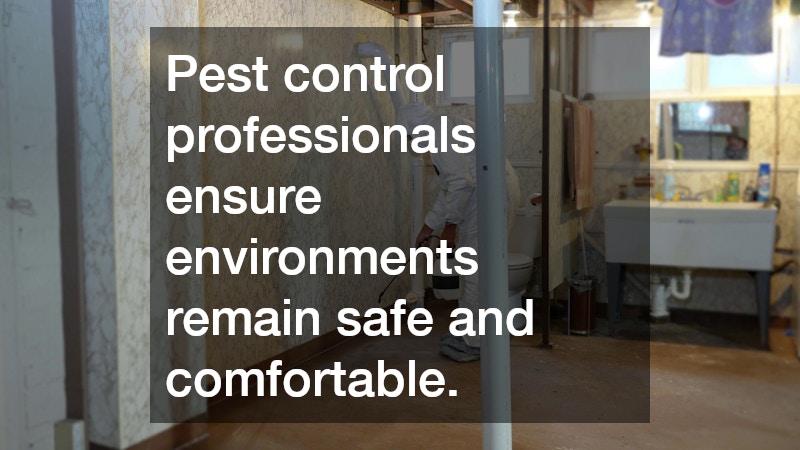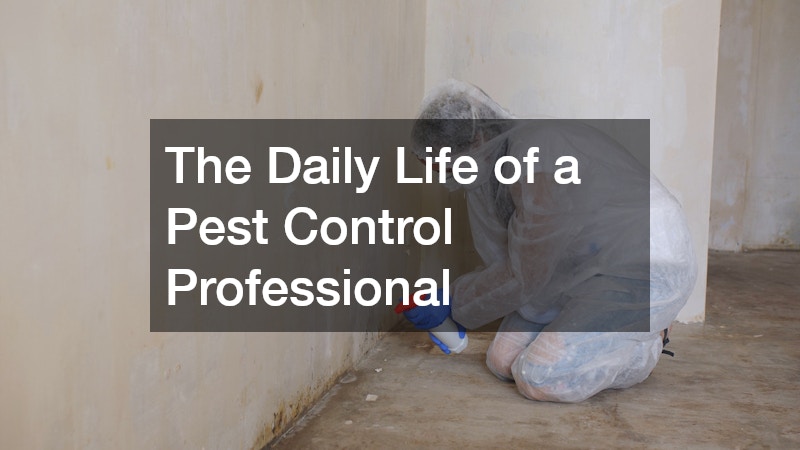

Pest control professionals are vital, ensuring that homes and businesses remain safe, healthy, and pest-free. Their role extends beyond extermination to preventing infestations through educated measures. This article explores their daily routines, challenges, and essential skills.
Through their dedication, they protect public health by managing and eliminating pest-related risks. In an ever-evolving field, these specialists continuously adapt to new methods and pest behaviors to maintain high standards of safety and effectiveness. They are committed to delivering peace of mind by ensuring environments remain protected against pest invasions.
1. What does a pest control professional do on a typical day?
The day begins with preparations and briefings to organize daily schedules, equip required materials, and discuss safety, especially with hazardous materials. During client visits, they inspect and assess pest problems, identifying signs like droppings and nests. Accurate assessments guide effective pest control methods, considering factors like infestation severity and environment, often using Integrated Pest Management (IPM) strategies. Attention to detail in these initial assessments can significantly impact the success of treatment plans. Their balancing act between knowledge and intuition plays a critical role in devising strategic interventions that are both effective and sustainable. Encounters with unique situations require quick decision-making to tailor interventions appropriately.
2. What qualifications and skills are needed in pest control?
Pest control careers require a solid educational background in biology, chemistry, and environmental science, with certifications often necessary due to safety regulations. Continuous learning updates professionals on new industry methods and tools. Technical skills in identifying pest species and using control equipment are crucial, alongside strong communication skills for handling client interactions professionally. These interactions not only assist in tailored solutions but also in building lasting relationships with clients. The ability to translate complex pest control concepts into understandable advice is a valuable skill in engendering client trust and cooperation. Interpersonal skills are just as important as technical knowledge in ensuring client satisfaction and understanding.
3. How do pest control professionals ensure safety at work?
Personal Protective Equipment (PPE) is essential to avoid contact with harmful chemicals and pests. Professionals follow safety protocols and guidelines covering every operation step. Knowledge of chemical properties ensures correct application, minimizing risks to health and the environment. Strict adherence to these protocols is crucial in preventing accidents and ensuring a safe working environment. A culture of safety-first mentality not only protects the individuals on the job but also reassures clients of the rigorous safety measures in place. Pest control companies often conduct regular training sessions to reinforce the importance of safety practices.
4. What are some common challenges faced by pest control professionals?
Challenges include adapting to pest behaviors and resistance to traditional treatments, requiring updated strategies and knowledge. Educating clients on realistic expectations helps manage misconceptions. Environmental factors like weather can influence pest control effectiveness, demanding adaptable planning. Creative problem-solving and resilience are key traits that help professionals overcome these challenges effectively. By leveraging technology and innovative solutions, professionals continuously refine their approaches to counter dynamic pest challenges. Problem-solving strategies often involve teamwork and collaboration for the best outcomes. Continuous education and staying abreast of new research findings empower professionals to anticipate and tackle emerging pest issues effectively.
5. How does a pest control professional stay up-to-date with industry trends?
Attending conferences and workshops enables networking and knowledge sharing on new technologies and best practices. Continuous education and certification programs ensure compliance with evolving standards. Online resources provide up-to-date research and industry discussions, complementing traditional methods for comprehensive professional development. Such diligence in staying informed empowers professionals to offer clients the most current and effective solutions. This dedicated pursuit of excellence fosters a proactive stance in addressing the future of pest control. Engaging with peers and experts provides fresh perspectives and innovative approaches to complex challenges.
Pest control professionals ensure environments remain safe and comfortable, engaging clients in preventive measures. Their expertise and commitment make them indispensable in protecting homes and businesses, significantly contributing to quality of life and environmental health. Ultimately, their work fosters safer communities and enhances overall well-being. Through their efforts, they not only safeguard public health but also contribute to ecological balance and sustainable practices. Their vigilance and proactive measures deter potential threats before they develop into significant problems.